
Retargeting
Dental Retargeting That Recovers the Patients Who Almost Chose Your Practice
Most patients don’t book on their first visit. They compare options, get distracted, and forget. Retargeting keeps your practice visible across Facebook, Instagram, Google Display, and YouTube — so when they’re ready, they return to you.
- Recover patients who visited but didn't book
- Stay visible during the 2–3 week decision window
- Lower cost per acquisition than cold advertising
Patient Recovery Timeline
Why Patients Leave
Why Patients Leave Without Booking — And Why That’s Normal
The average dental patient doesn’t book on their first website visit. Research from Google’s consumer behavior studies shows that healthcare decisions involve multiple touchpoints before commitment.
None of these reasons mean the patient isn’t interested. They mean the patient isn’t ready yet. Without retargeting, that interested visitor disappears — often to a competitor who stayed visible longer.
Comparison Shopping
Timing
Distraction
Hesitation
Research Mode
Price Uncertainty
4.2×
42%
2–4 wks
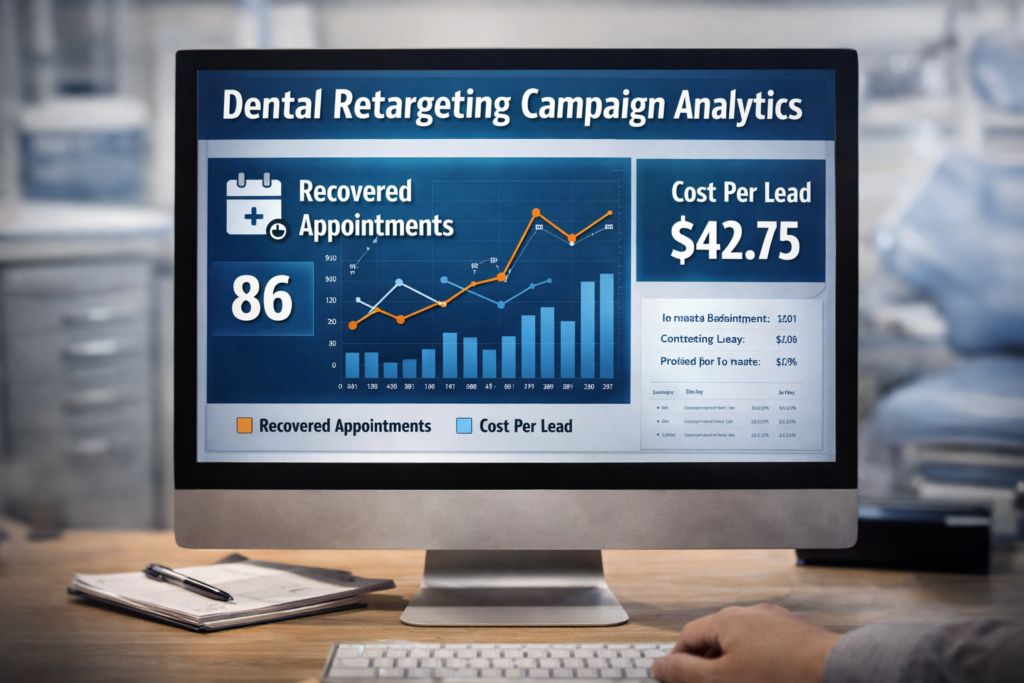
The Recovery System
The Dental Retargeting Recovery Timeline
High-value dental cases — implants, full-arch restorations, Invisalign, cosmetic procedures — require multiple touchpoints before patients commit. Retargeting fills the decision window strategically.
Day 1
Days 2–5
Days 5–10
As the patient browses news, blogs, and content, your banner ads appear. Practice name, procedure imagery, and CTAs maintain visibility without requiring a search.
Days 10–14
Before their YouTube videos, a 15-second spot of your team or a patient story appears. Your practice feels familiar — not like a stranger asking for their business.
Days 14–21
Before their YouTube videos, a 15-second spot of your team or a patient story appears. Your practice feels familiar — not like a stranger asking for their business.
The Platform System
Four Platforms, One Coordinated System
Effective dental retargeting requires presence across multiple platforms where patients spend time. Fragmented single-platform campaigns miss opportunities. Coordinated multi-platform retargeting maximizes recovery rates.
Facebook Retargeting
Detailed behavioral segmentation
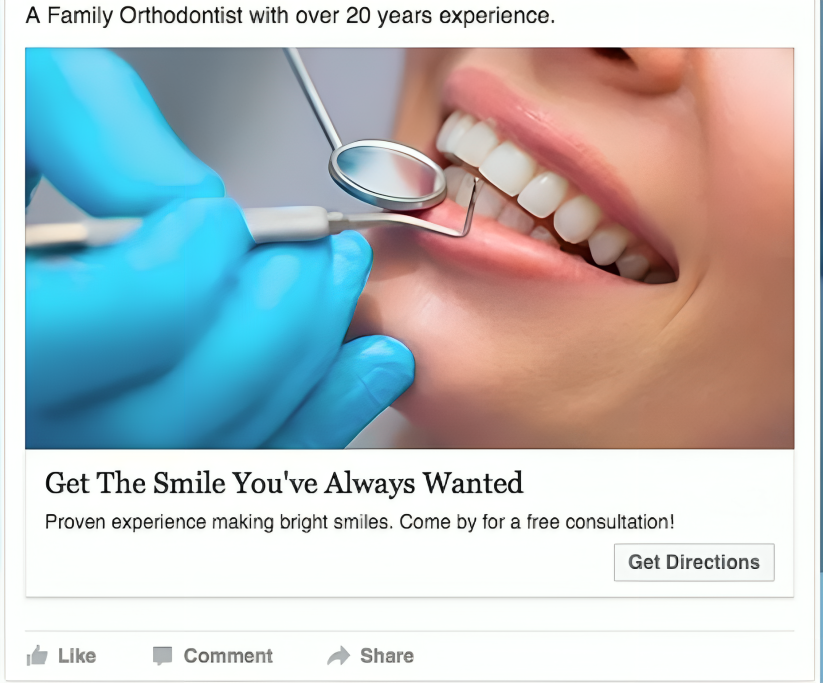
Facebook’s detailed targeting allows segmentation by behavior. Implant page visitors see implant ads. Booking form abandoners see urgency messaging. Cosmetic page viewers see transformation content.
- Detailed behavioral segmentation by page visited
- Video ad formats for patient storytelling
- Carousel ads for before/after galleries
- Lead form ads for direct booking
Instagram Retargeting
Visual-first for cosmetic procedures
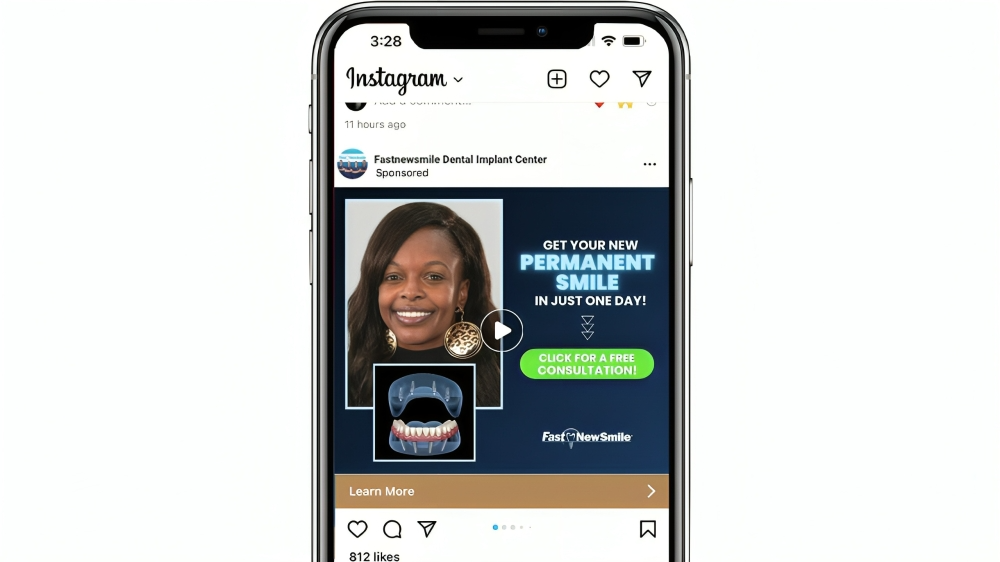
Visual-first platform ideal for cosmetic and aesthetic procedures. Before/after transformations, smile galleries, and practice culture content perform exceptionally well with the Instagram audience.
- Visual storytelling for cosmetic cases
- Stories and Reels for high engagement
- Younger demographic reach
- Influencer-style content formats
Google Display Network
Massive reach beyond social media
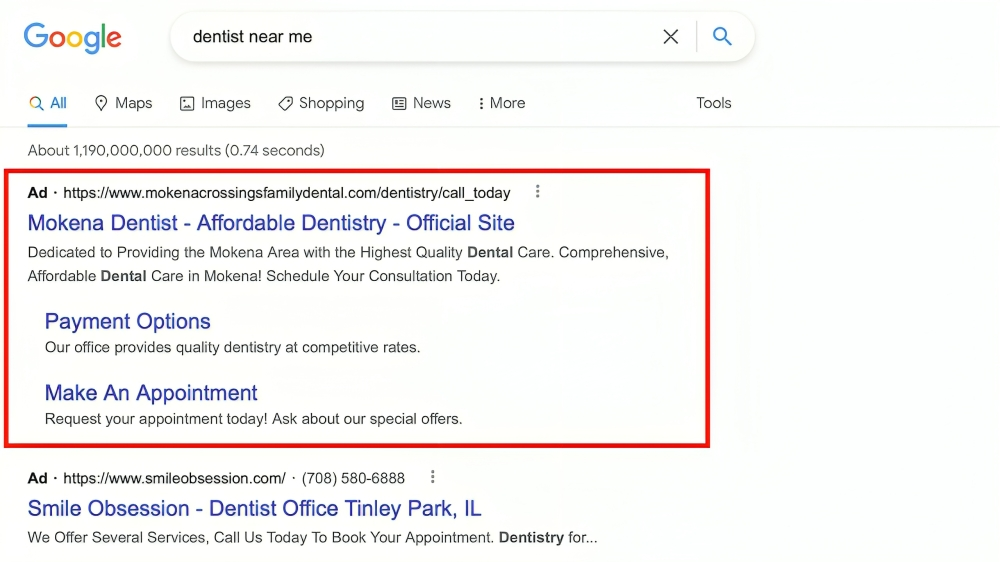
Extends visibility beyond social media to the broader web. Patients see your ads while reading news, checking email, or browsing content — maintaining awareness without requiring active social media use.
- Massive reach across millions of sites
- Banner and responsive ad formats
- Frequency capping to prevent ad fatigue
- Contextual placement options
YouTube Pre-Roll
Video storytelling at scale

Video ads before YouTube content capture attention in a lean-back environment. Short spots featuring your team, technology, or patient stories build trust through motion and sound before skipping is possible.
- Video storytelling capability and emotional impact
- High attention lean-back viewing environment
- Skippable and non-skippable options
- TrueView format for cost efficiency

Visitor Segmentation
Different Messages for Different Behaviors
A patient who spent 30 seconds on your homepage has different intent than one who spent five minutes on your implant page and started filling out a contact form. Effective retargeting segments visitors by behavior and delivers messaging matched to their stage.
Segment 1
Service Page Viewers
Patients who viewed specific service pages receive ads for those services. Implant page visitors see implant content. Invisalign researchers see orthodontic messaging. Relevance increases click-through and conversion rates significantly.
Segment 2 — Highest Priority
Booking Form Abandoners
Patients who started filling out a contact or booking form but didn’t submit represent the warmest leads in your entire retargeting pool. They were seconds away from converting. These deserve the most aggressive, most urgent follow-up.
Segment 3
Time-on-Site Segments
Visitors who spent 3+ minutes on the site showed genuine research interest. They deserve different messaging than quick bouncers — deeper content like case studies, technology explanations, and financing options that match their research depth.
Segment 4
Return Visitors
Patients who visited multiple times without booking are actively considering your practice. They’ve shown repeated interest. Retargeting ads acknowledging their research often provide the final push toward actually booking.
Creative Strategy
Ads That Recover Without Annoying
Retargeting done poorly feels stalkerish. The same ad following someone for weeks creates negative associations. Strategic creative rotation, frequency capping, and message evolution prevent ad fatigue while maintaining effectiveness.
Creative Rotation

Fresh creative every 7–14 days prevents the “I’ve seen this a hundred times” reaction. Rotating between testimonials, before/afters, team introductions, and offer-based ads maintains engagement.
- Rotate creative every 7–14 days minimum
- Maintain library of 6–10 ad variations
- Monitor creative fatigue indicators weekly
Frequency Capping
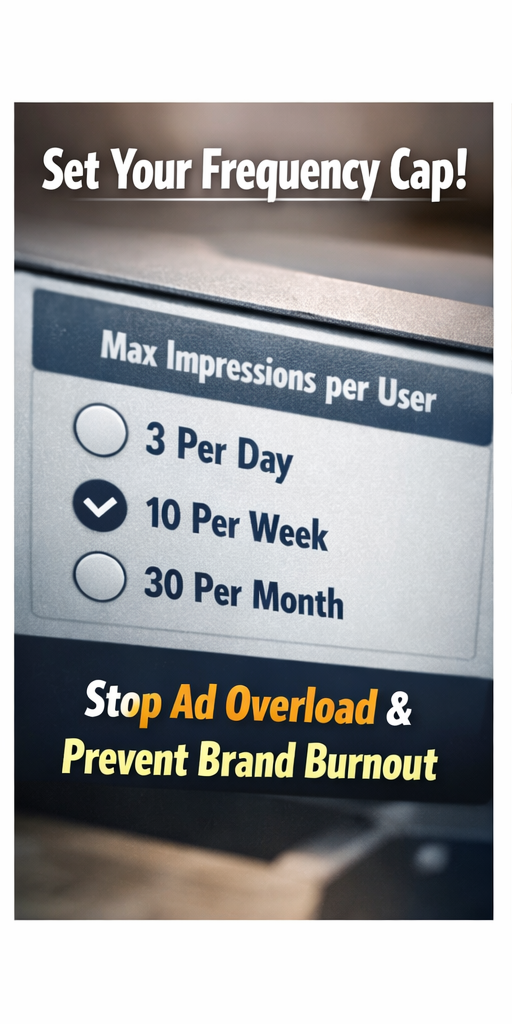
Limiting impressions per user per day (typically 3–5) prevents overexposure. Patients should feel reminded, not harassed. Uncapped frequency creates the “stalker” effect that damages brand perception.
- Cap at 3–5 impressions per user per day
- Monitor frequency metrics weekly
- Reduce cap if engagement drops significantly
Message Evolution

Early-stage retargeting focuses on awareness and trust-building. Later-stage messaging introduces urgency and specific offers. This evolution matches the patient’s natural decision timeline.
- Week 1: “Meet our team” / “See our results”
- Week 2: “Patients love their new smiles” / “Financing available”
- Week 3: “Limited consultation spots” / “Schedule before [date]”
Message Evolution Timeline
Week 1
Week 2
Week 3
Ongoing
Measuring Performance
Tracking and Optimization — Measuring What Matters
Vanity metrics like impressions and reach don’t pay bills. Dental retargeting success measures recovered leads, cost per recovered patient, and actual bookings attributed to retargeting campaigns.
Primary Metrics
Cost per recovered lead
40–60% lower than cold campaigns
Return visitor booking rate
3–5× higher than first-visit rate
Recovered appointments/month
Growing trend over time
Creative performance
CTR above 1% target
Attribution Tracking Requirements

Weekly Optimization Cycle
Monday
Wednesday
Friday
Creative Strategy
Retargeting for High-Value Procedures
Certain procedures justify aggressive retargeting investment due to high patient lifetime value. The case value alone justifies extended, multi-touch campaigns targeting warm audiences during their research window.
Implant patients often research for weeks before committing. The $3,000–$50,000+ case value justifies significant retargeting spend. Educational content, financing options, and technology differentiation perform best.
The highest-value cases require the longest consideration periods. Campaigns should run 30–60 days with messaging that evolves from education to urgency as the patient moves through their decision window.
Cosmetic motivation drives these cases. Before/after transformations, smile galleries, and lifestyle imagery resonate. Younger demographics respond well to Instagram and YouTube placements specifically.
Veneers, whitening, and smile makeovers are visual decisions. Retargeting creative should emphasize transformations and emotional outcomes — confidence, career advancement, relationship improvements.

Start Your Recovery System
Every day, potential patients visit your website, consider booking, and leave. Without dental retargeting, those visitors disappear — often to competitors who maintained visibility during the decision window.