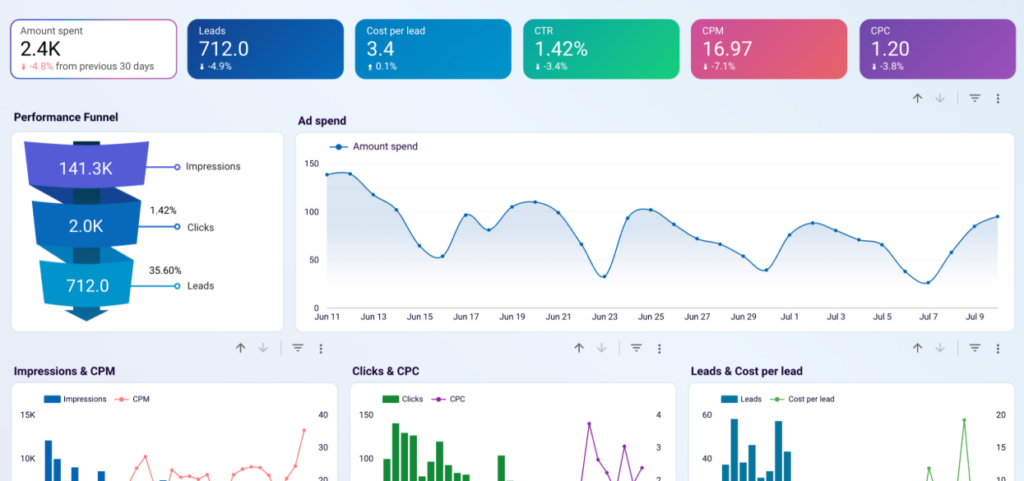
Understanding your marketing return helps your dental practice invest in strategies that attract more patients and generate consistent growth.
Introduction
Many dental practices invest in SEO, advertising, and social media marketing, but few actually track whether those efforts are generating real results. Without measuring marketing ROI, it becomes difficult to know which strategies are working and which ones are wasting your budget.
Tracking ROI allows your practice to see how marketing campaigns translate into patient inquiries, appointments, and revenue. When you understand these numbers, you can focus on the marketing channels that consistently bring in new patients.
Set Clear Marketing Goals
Before calculating ROI, you must first determine what success looks like for your practice.
For most dental practices, marketing goals may include:
Increasing new patient inquiries
Booking more first-time appointments
Improving treatment acceptance rates
Growing website traffic from local searches
When goals are clearly defined, it becomes easier to measure whether a marketing campaign is delivering meaningful results.
Track Where Your Patients Come From
Knowing where your patients come from helps you understand which marketing channels are performing best.
Some common sources include:
Google search (SEO)
Google Ads campaigns
Facebook and Instagram advertising
Website contact forms
Phone calls from online listings
Using tools like analytics platforms, call tracking, and website conversion tracking can help identify which channels generate the most inquiries.
Calculate the Value of Each New Patient
To measure ROI accurately, your practice needs to estimate the average value of a new patient.
For example:
Average first visit revenue
Follow-up treatments or procedures
Long-term patient retention value
Once you understand the average patient value, you can compare it to your marketing costs to determine whether campaigns are profitable.
A simple formula can help measure the success of your marketing campaigns.
ROI Formula
ROI = (Revenue from Marketing – Marketing Cost) ÷ Marketing Cost
Example:
If your practice spends $1,000 on advertising and gains $4,000 in patient revenue, the campaign generated a strong positive return.
Tracking this data consistently helps identify which campaigns deserve increased investment.
Optimize Your Marketing Strategy
Once ROI is measured, the next step is optimization.
Practices should:
Increase budget for campaigns producing strong results
Improve or adjust underperforming strategies
Test new marketing channels when necessary
Over time, tracking and optimizing marketing efforts can help dental practices build a predictable system for patient growth.
Conclusion
Tracking marketing ROI allows dental practices to move beyond guesswork. By measuring patient sources, revenue, and campaign performance, practices can make smarter decisions about where to invest their marketing budget.
When marketing strategies are guided by real data, dental practices can focus on the channels that consistently attract new patients and support long-term growth.
Patient Magnet 360
The Patient Magnet 360 blog provides dental practices with proven marketing strategies, patient communication insights, and growth-focused ideas. From SEO and advertising to front desk systems, we share the knowledge practices need to attract more patients and keep schedules full.